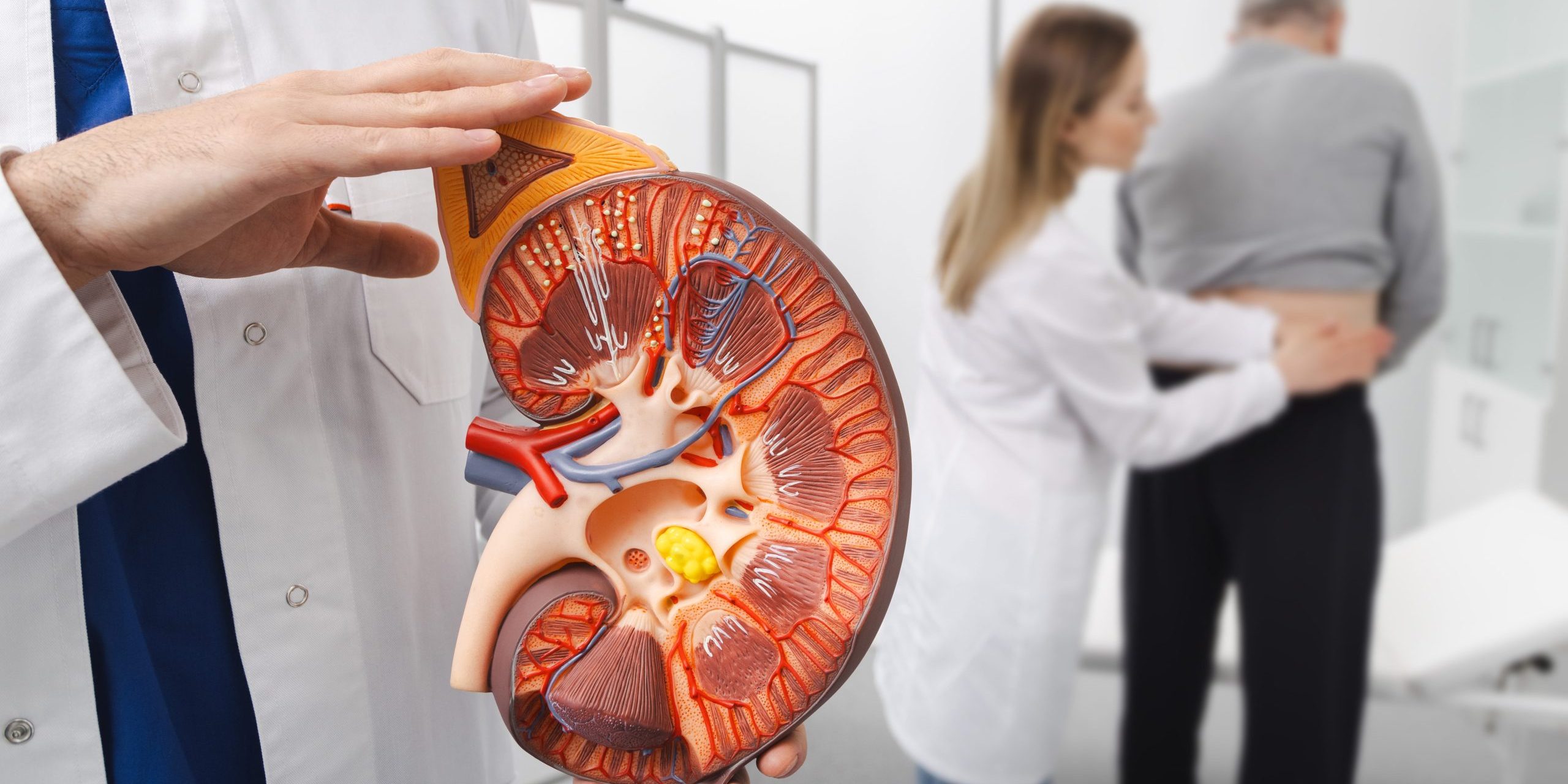
Kidney disease is often called a silent condition because symptoms may not appear until the disease has progressed. Recognizing early warning signs can help prevent serious complications and improve treatment outcomes.
At Parkchester Medical, we encourage patients to be aware of subtle symptoms and seek timely medical evaluation.
Changes in Urination
One of the earliest signs of kidney problems is a change in urination patterns. This may include frequent urination, especially at night, reduced urine output, or urine that appears foamy or dark in color.
Blood in the urine or discomfort during urination may also indicate underlying kidney issues that require immediate attention.
Swelling in the Body
The kidneys help regulate fluid balance in the body. When they are not functioning properly, excess fluid can build up, leading to swelling in the legs, ankles, feet, or face.
This swelling is often noticeable and may worsen over time if left untreated.
Persistent Fatigue
When the kidneys are unable to filter waste effectively, toxins can accumulate in the bloodstream. This can lead to feelings of constant tiredness, weakness, and lack of energy.
Fatigue may also be related to anemia, which can occur when the kidneys do not produce enough hormones needed for red blood cell production.
Shortness of Breath
Fluid buildup in the lungs or anemia caused by kidney disease can lead to difficulty breathing. This symptom should not be ignored, especially if it occurs along with other signs of kidney problems.
Loss of Appetite and Nausea
A buildup of waste products in the body can cause digestive issues such as nausea, vomiting, and loss of appetite. These symptoms may be mistaken for other conditions, but they can be linked to kidney dysfunction.
Importance of Early Diagnosis
Early detection of kidney disease allows for better management and can slow or prevent progression. Blood tests and urine tests are simple and effective ways to assess kidney function.
At Parkchester Medical, we provide comprehensive evaluations and personalized treatment plans to support early diagnosis and ongoing care.
Taking Action for Better Kidney Health
If you notice any of these symptoms, it is important to seek medical advice promptly. Making lifestyle changes such as improving diet, staying active, and managing underlying health conditions can help protect kidney function.
Regular health checkups are essential for maintaining long term kidney health.