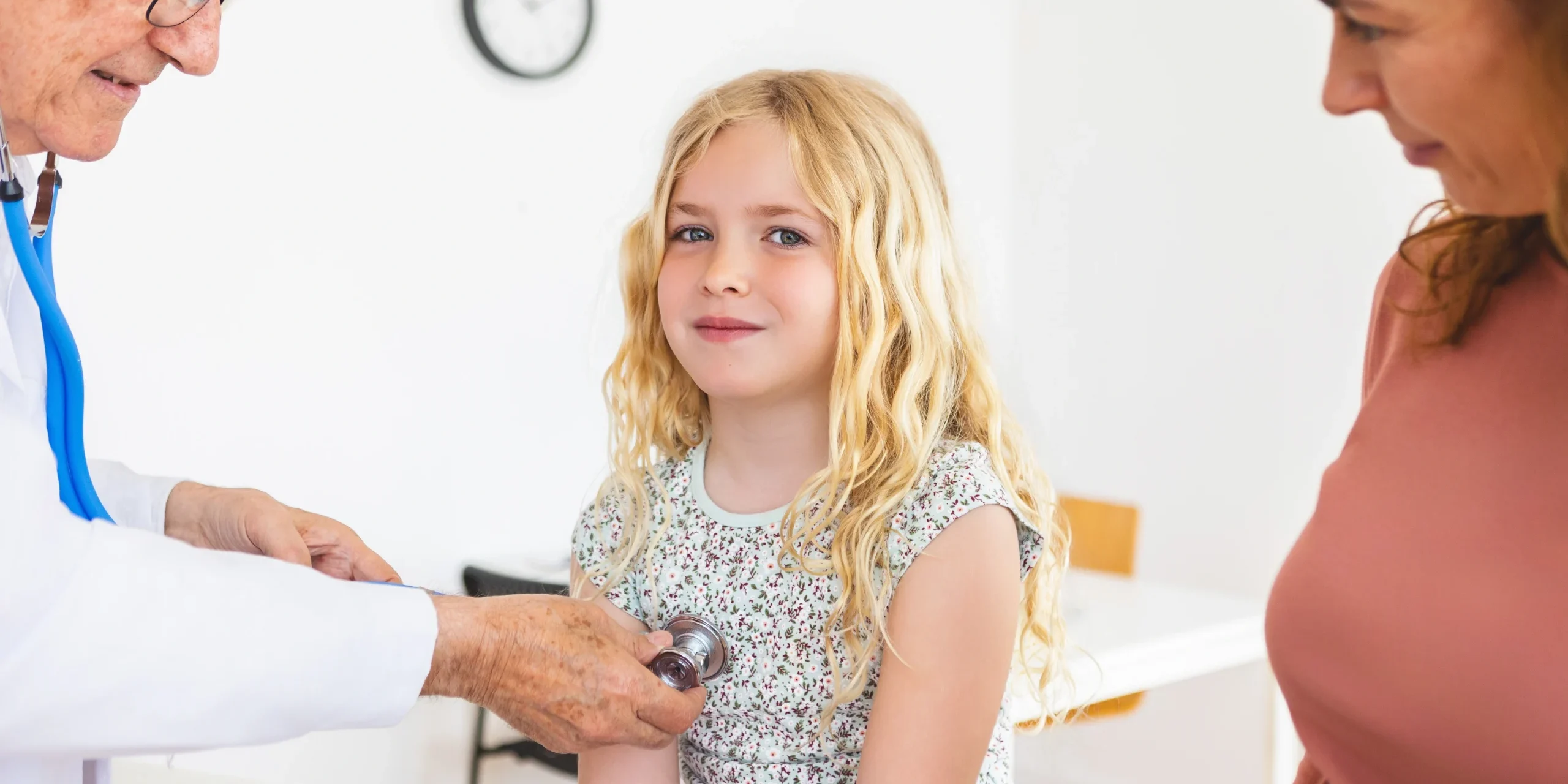
Preventing illness is an essential part of maintaining good health, and immunization plays a major role in disease prevention. Vaccines help prepare the immune system to recognize and respond to specific infections, reducing the likelihood of serious illness from many vaccine preventable diseases.
Immunization awareness is especially important because vaccines are needed at different stages of life. Understanding why vaccination matters, who needs vaccines, and how vaccines support public health can help families make informed healthcare decisions.
At Parkchester Medical, we are committed to providing patients with reliable health information and encouraging preventive care.
Understanding the Power of Prevention
Preventive healthcare focuses on taking action before illness becomes serious. Instead of waiting for symptoms to develop, preventive care uses strategies such as vaccinations, screenings, wellness visits, and healthy lifestyle habits to reduce health risks.
Immunization is a key part of this approach because vaccines prepare the body’s immune defenses before exposure to specific infections.
Why Vaccines Are Essential
Some infectious diseases can cause serious complications, particularly among young children, older adults, pregnant individuals, and people with certain health conditions.
Vaccination can reduce the risk of infection and help lower the likelihood of severe disease. Depending on the vaccine, immunization may also reduce transmission and contribute to community protection.
How the Immune System Learns From Vaccines
The immune system has the remarkable ability to remember previous encounters with certain germs. Vaccines use this natural ability to prepare the immune system.
A vaccine introduces a safe form or component of a disease causing organism. The immune system recognizes it and develops a protective response. Immune memory can help the body respond more efficiently if it encounters the actual infection later.
This process is an important reason vaccines can provide protection without requiring a person to experience the disease itself.
Childhood Immunization and Healthy Development
Childhood is an important period for vaccination because young children can be particularly vulnerable to certain infections.
Following the recommended childhood immunization schedule helps provide protection at appropriate stages of development. Parents and caregivers should keep accurate vaccination records and discuss any concerns with their child’s healthcare provider.
Vaccination is an important part of a child’s overall preventive healthcare plan.
Immunization for Teenagers and Adults
Immunization does not end after childhood. Adolescents and adults may require additional vaccines or booster doses as they grow older.
Vaccination recommendations can depend on age, occupation, lifestyle, travel, medical history, previous vaccinations, and exposure risk.
Adults should periodically review their vaccination status with a healthcare provider to determine whether any vaccines or booster doses are recommended.
Vaccination and Older Adults
Certain infections can become more serious with age. Older adults may therefore have specific vaccination recommendations designed to help reduce their risk of serious disease.
Regular healthcare visits provide an opportunity to review vaccination records and discuss age appropriate immunizations.
Protecting People Through Community Immunity
Vaccination can provide benefits beyond the person receiving the vaccine. When a large proportion of a population is protected against an infectious disease, the infection may have fewer opportunities to spread.
This can help protect people who are particularly vulnerable, including some infants and individuals who cannot receive certain vaccines for medical reasons.
Community protection demonstrates why immunization is both an individual and public health responsibility.
Understanding Vaccine Safety
Vaccine safety is carefully monitored. Before vaccines become widely available, they undergo extensive evaluation, and safety monitoring continues after they are introduced.
Some people experience temporary side effects such as pain at the injection site, tiredness, or mild fever. These reactions generally resolve on their own.
Patients should discuss allergies, previous vaccine reactions, medical conditions, pregnancy, and medications with their healthcare provider so that vaccination decisions can be made safely and appropriately.
What Can You Do to Stay Protected?
Taking a few simple steps can help you stay informed about immunization:
- Keep your vaccination records updated
- Ask your healthcare provider which vaccines you need
- Follow recommended vaccination schedules
- Receive booster doses when recommended
- Discuss vaccine concerns with a qualified healthcare professional
- Make vaccination part of your regular preventive care
Immunization Awareness Starts With Education
Misinformation can make it difficult for individuals to make confident healthcare decisions. Reliable information from healthcare professionals can help patients understand vaccine recommendations and make choices based on their personal health needs.
Immunization awareness campaigns provide an opportunity to encourage conversations about vaccines and remind families that preventive healthcare is an important part of lifelong wellness.
A Healthier Community Begins With Prevention
Vaccination has an important role in protecting individuals, families, and communities from serious infectious diseases. Staying informed and keeping recommended vaccinations up to date can help reduce preventable illness and support better public health.
At Parkchester Medical, we are dedicated to promoting immunization awareness and preventive healthcare through patient education, regular medical care, and compassionate support.