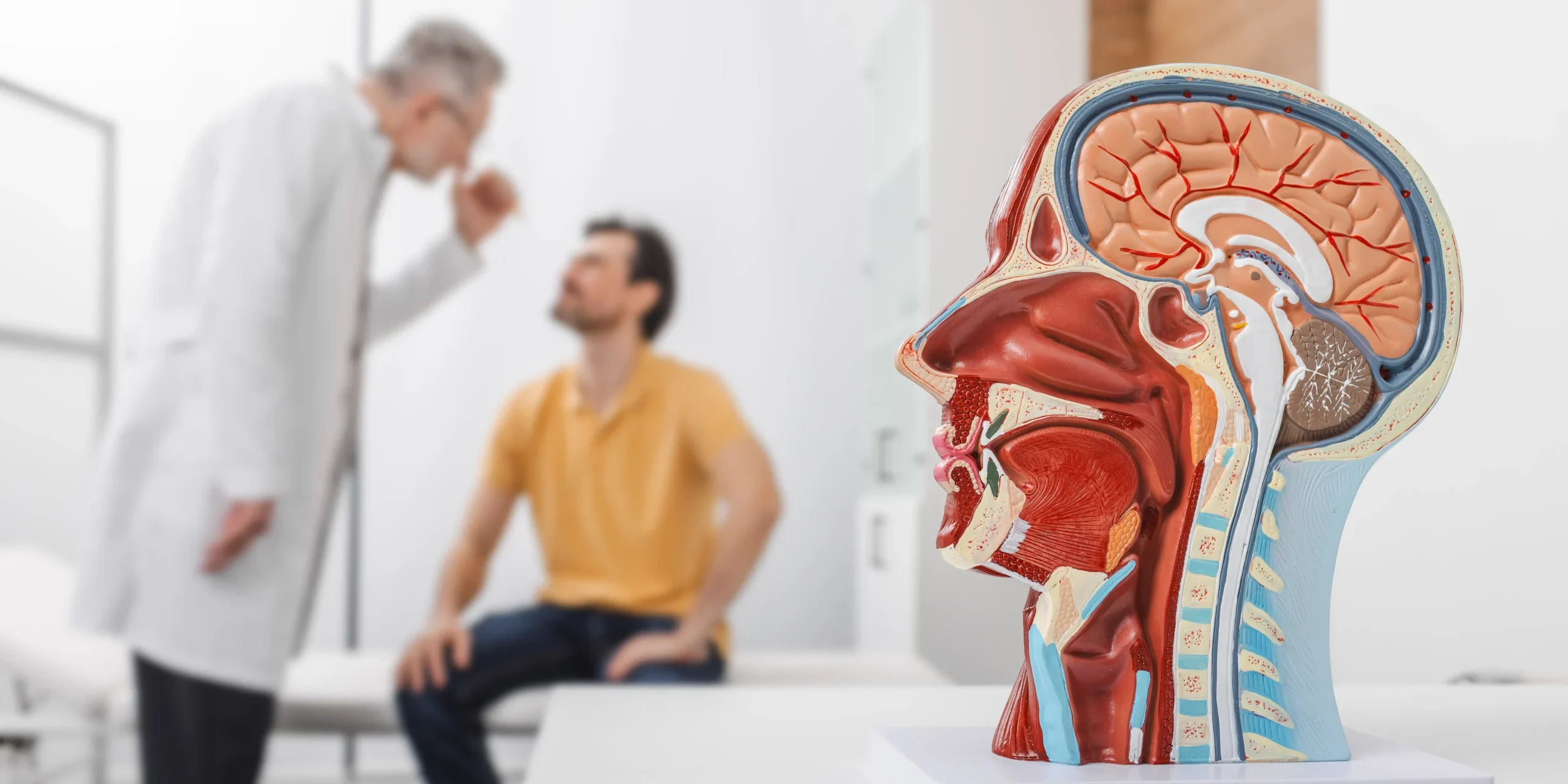
Many people associate brain tumors only with severe headaches, but the reality is far more complex. Brain tumors can produce a wide range of symptoms that affect physical, emotional, and cognitive health. Understanding these signs can help individuals seek medical attention sooner and potentially improve outcomes.
At Parkchester Medical, we are committed to raising awareness about neurological health and the importance of early diagnosis.
Understanding How Brain Tumors Affect the Body
The brain serves as the body’s control center. Every thought, movement, emotion, and sensation depends on healthy brain function. When a tumor develops, it can disrupt communication between brain cells and interfere with normal processes.
The effects depend largely on where the tumor is located. A tumor affecting speech centers may cause communication difficulties, while one affecting balance may lead to coordination problems.
Physical Symptoms That Should Not Be Ignored
Physical symptoms often provide the first clues that something may be wrong.
Frequent Headaches
Headaches that become more frequent, more intense, or different from usual patterns should be evaluated.
Nausea and Vomiting
Unexplained nausea, especially when accompanied by headaches, may be related to increased pressure within the brain.
Weakness in Limbs
A brain tumor may affect nerve signals that control movement, causing weakness in the arms or legs.
Hearing Problems
Some tumors may affect hearing, leading to ringing in the ears or hearing loss.
Vision Disturbances
Changes in eyesight should never be overlooked, particularly if they occur suddenly.
Cognitive and Emotional Symptoms
Brain tumors can affect much more than physical health.
Some patients experience:
- Memory problems
- Difficulty concentrating
- Personality changes
- Increased irritability
- Depression or anxiety
- Confusion and disorientation
Because these symptoms may develop gradually, they are sometimes mistaken for stress or aging.
Who Is Most at Risk
Brain tumors can occur at any age, although certain types are more common in specific age groups.
Risk factors may include:
- Previous radiation exposure
- Family history of certain syndromes
- Genetic conditions associated with tumor development
However, many cases occur without any known cause.
Why Timely Evaluation Matters
Delaying medical evaluation may allow symptoms to worsen and reduce available treatment options. Early diagnosis helps physicians identify tumors before they cause extensive damage.
Healthcare providers use advanced imaging techniques and neurological testing to determine the presence of a tumor and guide treatment decisions.
Advances in Brain Tumor Treatment
Medical advancements have improved survival rates and quality of life for many patients with brain tumors.
Modern treatment options may include:
- Precision surgery
- Advanced radiation techniques
- Innovative medications
- Personalized treatment plans
Treatment is often provided by a multidisciplinary team that includes neurologists, surgeons, oncologists, and rehabilitation specialists.
Supporting Patients and Families
A brain tumor diagnosis affects not only the patient but also family members and caregivers. Emotional support, education, and access to healthcare resources are essential components of comprehensive care.
At Parkchester Medical, we believe in treating the whole person, providing compassionate support throughout every stage of care.