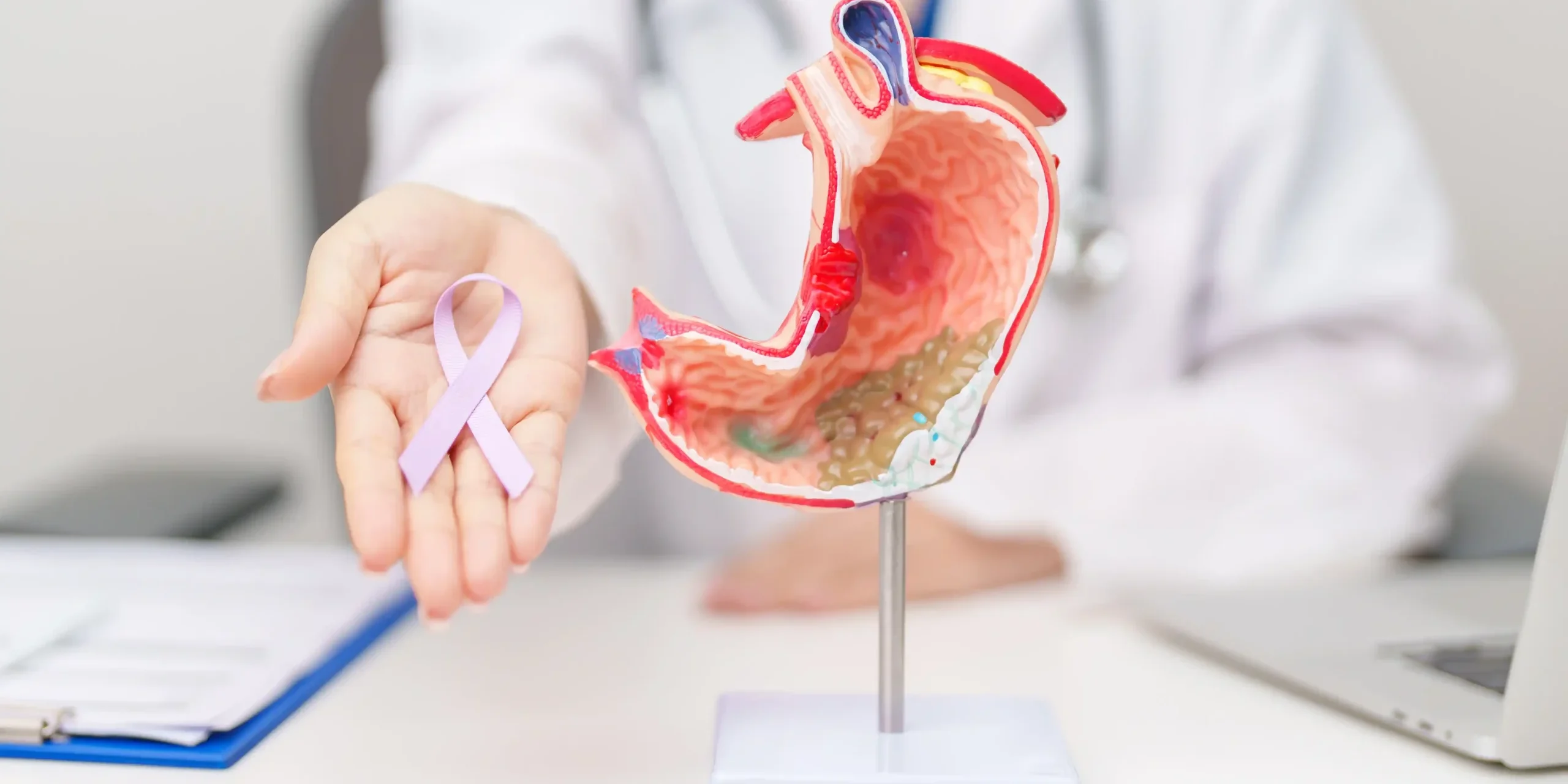
Stomach cancer, also called gastric cancer, is a disease that often develops gradually and may not cause noticeable symptoms in its early stages. While not every case can be prevented, understanding the risk factors and making healthier lifestyle choices can help reduce the likelihood of developing the disease.
One important risk factor is Helicobacter pylori (H. pylori), a bacterial infection that can cause long-term inflammation of the stomach lining. Other factors, including smoking, certain dietary habits, family history, and chronic stomach conditions, may also contribute to increased risk.
The good news is that there are practical steps you can take to support digestive health and reduce some of these risks.
At Parkchester Medical, we encourage patients to stay informed, recognize potential warning signs, and take preventive health measures seriously.
Understanding Stomach Cancer and Its Risk Factors
Stomach cancer develops when abnormal cells grow uncontrollably in the stomach lining. Most cases are adenocarcinomas, which begin in the cells lining the inside of the stomach.
Although the exact cause is not always known, several factors are associated with an increased risk:
- H. pylori infection.
- Smoking and tobacco use.
- Diets high in salted, smoked, or preserved foods.
- Obesity, particularly in relation to certain stomach cancers.
- Chronic inflammation of the stomach.
- Family history of stomach cancer.
- Certain inherited genetic conditions.
- Increasing age.
Having these risk factors does not mean that cancer will develop. However, knowing which factors apply to you can help guide conversations with your healthcare provider.
8 Ways to Help Reduce Your Risk of Stomach Cancer
Although there is no guaranteed way to prevent stomach cancer, healthy habits and appropriate medical care may reduce certain risk factors.
1. Get Tested for H. pylori When Appropriate
H. pylori is a common bacterial infection that can cause chronic gastritis and stomach ulcers. Long-term infection can increase the risk of stomach cancer, particularly when it leads to changes in the stomach lining.
Testing may be recommended for people with certain digestive symptoms, a history of stomach ulcers, or other relevant risk factors.
When an infection is confirmed, treatment usually involves a combination of antibiotics and acid-reducing medication. Follow-up testing is important to confirm that the infection has been successfully eliminated.
2. Eat a Balanced, Nutrient-Rich Diet
A healthy diet can support overall digestive health and may help reduce stomach cancer risk.
Include a variety of:
- Fresh fruits and vegetables.
- Whole grains.
- Beans and legumes.
- Lean protein sources.
- Foods rich in fiber and essential nutrients.
Fruits and vegetables provide vitamins, minerals, and antioxidants that support normal cellular function.
Try to limit heavily salted, smoked, and preserved foods, as diets high in these foods have been associated with increased stomach cancer risk.
3. Reduce Processed Meat and Excessive Salt
Frequent consumption of processed meats and heavily salted foods may contribute to an increased risk of stomach cancer.
Examples include heavily salted preserved foods, cured meats, and certain smoked products.
Choose fresh ingredients more often, reduce added salt, and use herbs and spices to add flavor to meals.
4. Avoid Smoking and Tobacco Products
Smoking is an established risk factor for stomach cancer. Tobacco contains harmful chemicals that can damage cells and contribute to cancer development.
Quitting smoking can improve overall health and reduce the risk of several cancers, including stomach cancer.
If you need help quitting, speak with a healthcare professional about available support and treatment options.
5. Maintain a Healthy Weight
Excess body weight is associated with an increased risk of certain types of stomach cancer, particularly cancers near the junction of the stomach and esophagus.
Maintaining a healthy weight through balanced nutrition and regular physical activity can support metabolic and digestive health.
Focus on gradual, sustainable lifestyle changes rather than restrictive diets.
6. Stay Physically Active
Regular physical activity supports healthy digestion, weight management, and overall well-being.
Aim for approximately 150 minutes of moderate-intensity exercise each week, if appropriate for your health.
Walking, swimming, cycling, and other enjoyable activities can help make exercise a consistent part of your routine.
7. Understand Your Family History
A family history of stomach cancer may increase your risk, especially when several close relatives have been affected or cancer developed at a younger age.
Certain inherited conditions, including hereditary diffuse gastric cancer syndrome, are associated with a substantially increased risk.
If stomach cancer runs in your family, discuss your medical history with a healthcare professional. Genetic counseling or testing may be appropriate in selected cases.
8. Do Not Ignore Persistent Digestive Symptoms
Persistent indigestion, unexplained weight loss, frequent nausea, early fullness, or ongoing stomach discomfort should be medically evaluated.
These symptoms are often caused by conditions other than cancer, but identifying the underlying cause is important.
Early medical assessment can help determine whether further investigations, such as an upper endoscopy, are needed.
Can H. pylori Treatment Prevent Stomach Cancer?
Treating H. pylori infection can reduce the risk of stomach cancer, particularly in people who have not yet developed advanced changes in the stomach lining.
However, treatment does not eliminate every person’s risk. Some individuals may still require follow-up based on their medical history, biopsy findings, and other risk factors.
If you have been diagnosed with H. pylori, complete the prescribed treatment and follow your healthcare provider’s recommendations for confirming eradication.
Is Routine Stomach Cancer Screening Necessary?
Unlike some other cancers, routine screening for stomach cancer is not generally recommended for all average-risk adults in countries such as the United States.
However, people with certain inherited conditions, strong family histories, or other significant risk factors may benefit from individualized assessment and, in some cases, surveillance with upper endoscopy.
If you have ongoing digestive symptoms or concerns about your personal risk, discuss appropriate testing with your healthcare provider.
Warning Signs You Should Never Ignore
Stomach cancer may cause few symptoms in its early stages. As it develops, possible warning signs include:
- Persistent indigestion or heartburn.
- Feeling full after eating small amounts.
- Frequent bloating after meals.
- Unexplained weight loss.
- Reduced appetite.
- Persistent abdominal pain.
- Nausea or vomiting.
- Difficulty swallowing.
- Black stools or vomiting blood.
These symptoms do not automatically mean cancer, but persistent or unexplained changes deserve medical attention.
Vomiting blood or passing black, tarry stools requires urgent medical evaluation.
The Importance of Early Detection
Early detection can improve treatment options and outcomes for people with stomach cancer.
Upper endoscopy allows doctors to examine the stomach lining and identify suspicious areas. If necessary, a biopsy can confirm whether cancer is present.
Depending on the diagnosis, treatment may include surgery, chemotherapy, radiation therapy, targeted therapy, or immunotherapy.
The earlier stomach cancer is identified, the greater the opportunity to consider treatment options before the disease spreads.
Protect Your Digestive Health With Parkchester Medical
Stomach cancer awareness begins with understanding your risk factors and recognizing changes in your digestive health.
At Parkchester Medical, we encourage patients to adopt healthy lifestyle habits, discuss persistent digestive symptoms, and seek medical guidance about H. pylori testing and other appropriate evaluations.
Taking preventive steps today can support better health in the future.
Conclusion
Although stomach cancer cannot always be prevented, reducing risk factors, treating H. pylori when appropriate, avoiding tobacco, eating a balanced diet, and seeking timely medical care can make a meaningful difference.
At Parkchester Medical, we believe that informed choices and early medical attention are important steps toward protecting your digestive health.