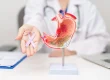
Stomach cancer, also known as gastric cancer, develops when abnormal cells grow uncontrollably in the lining of the stomach. It often develops gradually, and early symptoms can be difficult to recognize because they may resemble common digestive problems.
Although stomach cancer is more common in certain parts of the world, it can affect people of different ages and backgrounds. Recognizing potential warning signs, understanding risk factors, and seeking timely medical attention can make an important difference.
At Parkchester Medical, we believe that awareness and early medical evaluation are essential for protecting long-term health.
What Is Stomach Cancer?
Stomach cancer occurs when cells in the stomach lining undergo abnormal changes and begin growing uncontrollably. Most stomach cancers are adenocarcinomas, which develop in the cells that produce mucus in the stomach lining.
The disease may develop in different parts of the stomach and can spread to nearby lymph nodes or other organs if it progresses.
Early-stage stomach cancer may not cause noticeable symptoms, which is one reason diagnosis can sometimes be delayed.
Early Warning Signs of Stomach Cancer
The early symptoms of stomach cancer are often mild and may be mistaken for indigestion or other digestive conditions.
Possible warning signs include:
- Persistent indigestion or heartburn.
- Frequent bloating, especially after meals.
- Feeling full after eating small amounts of food.
- Unexplained nausea or vomiting.
- Persistent stomach discomfort or pain.
- Reduced appetite.
- Unintentional weight loss.
- Difficulty swallowing.
As stomach cancer advances, additional symptoms may develop, including:
- Vomiting blood or material that resembles coffee grounds.
- Black, tarry stools.
- Persistent fatigue or weakness due to anemia.
- Significant abdominal swelling.
- Increasing difficulty eating.
These symptoms do not necessarily indicate cancer. However, persistent, worsening, or unexplained digestive problems should be evaluated by a healthcare professional.
Vomiting blood, passing black stools, or experiencing severe abdominal pain requires urgent medical attention.
What Causes Stomach Cancer?
There is no single cause of stomach cancer. It generally develops through a combination of genetic changes, environmental exposures, and long-term inflammation or damage to the stomach lining.
Several factors can increase the risk.
1. Helicobacter pylori Infection
Helicobacter pylori, commonly called H. pylori, is a bacterial infection that can cause chronic inflammation of the stomach lining. Long-standing infection can increase the risk of developing certain types of stomach cancer.
2. Smoking
Tobacco use increases the risk of stomach cancer. Harmful chemicals in tobacco can contribute to cellular damage and increase cancer risk.
3. Diet and Eating Habits
A diet high in heavily salted, smoked, or preserved foods may increase the risk of stomach cancer. Regularly consuming processed meats has also been associated with increased risk.
4. Family History and Genetics
Having a close family member with stomach cancer may increase personal risk. Certain inherited genetic conditions can also increase susceptibility.
5. Chronic Stomach Conditions
Long-term inflammation of the stomach, chronic atrophic gastritis, and certain changes in the stomach lining can increase the likelihood of developing gastric cancer.
6. Age and Other Risk Factors
Stomach cancer is more frequently diagnosed in older adults. Other risk factors include obesity, previous stomach surgery, and certain occupational exposures.
Having one or more risk factors does not mean someone will develop stomach cancer.
How Is Stomach Cancer Diagnosed?
Early evaluation can help identify stomach cancer before it advances.
A healthcare professional may recommend several tests depending on symptoms, medical history, and risk factors.
Upper endoscopy: A thin, flexible tube with a camera is passed through the mouth to examine the stomach lining. It allows doctors to identify suspicious areas.
Biopsy: During an endoscopy, small tissue samples may be collected and examined under a microscope to determine whether cancer cells are present. A biopsy is required to confirm the diagnosis.
Imaging tests: CT scans and other imaging studies help determine whether cancer has spread to nearby tissues or other organs.
Additional testing: Blood tests and specialized investigations may help assess general health and guide treatment planning.
Stages of Stomach Cancer
Stomach cancer is generally classified into four main stages:
Stage 1: Cancer is relatively limited and has not spread extensively into surrounding tissues.
Stage 2: Cancer has grown deeper into the stomach wall or spread to nearby lymph nodes.
Stage 3: Cancer has spread more extensively into surrounding tissues or lymph nodes.
Stage 4: Cancer has spread to distant organs or other parts of the body.
The stage, location, and type of cancer help determine the most appropriate treatment.
Treatment Options for Stomach Cancer
Treatment depends on the cancer stage, the patient’s overall health, and whether the cancer can be surgically removed.
Common treatment options include:
Surgery: Early stomach cancer may be treated by removing the affected area. More advanced localized disease may require partial or total removal of the stomach.
Chemotherapy: Medication is used to destroy cancer cells or slow their growth. It may be given before or after surgery or used when cancer has spread.
Radiation therapy: High-energy radiation is used to target cancer cells in selected cases.
Targeted therapy: Certain medications target specific characteristics of cancer cells. Their use depends on the tumor’s molecular test results.
Immunotherapy: These treatments help the immune system recognize and attack cancer cells. They may be appropriate for selected patients depending on cancer characteristics.
Treatment plans are often personalized and may combine several approaches.
When Should You See a Doctor?
Do not ignore persistent digestive symptoms, especially if they are accompanied by unexplained weight loss, reduced appetite, difficulty swallowing, or ongoing abdominal discomfort.
Seek medical advice if you have a family history of stomach cancer, a known H. pylori infection, or a history of chronic stomach inflammation.
Early evaluation can help identify the cause of symptoms and determine whether further testing is necessary.
Stomach Cancer Awareness at Parkchester Medical
Stomach cancer can be difficult to recognize in its early stages because its symptoms often resemble common digestive conditions.
At Parkchester Medical, we encourage patients to pay attention to persistent changes in their digestive health, understand their risk factors, and seek professional medical guidance when concerns arise.
Awareness, timely evaluation, and appropriate follow-up are important steps toward better health outcomes.
Conclusion
Stomach cancer is a serious condition, but understanding its warning signs and risk factors can help people make informed decisions about their health. Persistent digestive symptoms, unexplained weight loss, and difficulty swallowing should never be overlooked.
At Parkchester Medical, we encourage you to take digestive health seriously and seek medical attention when something does not feel right.